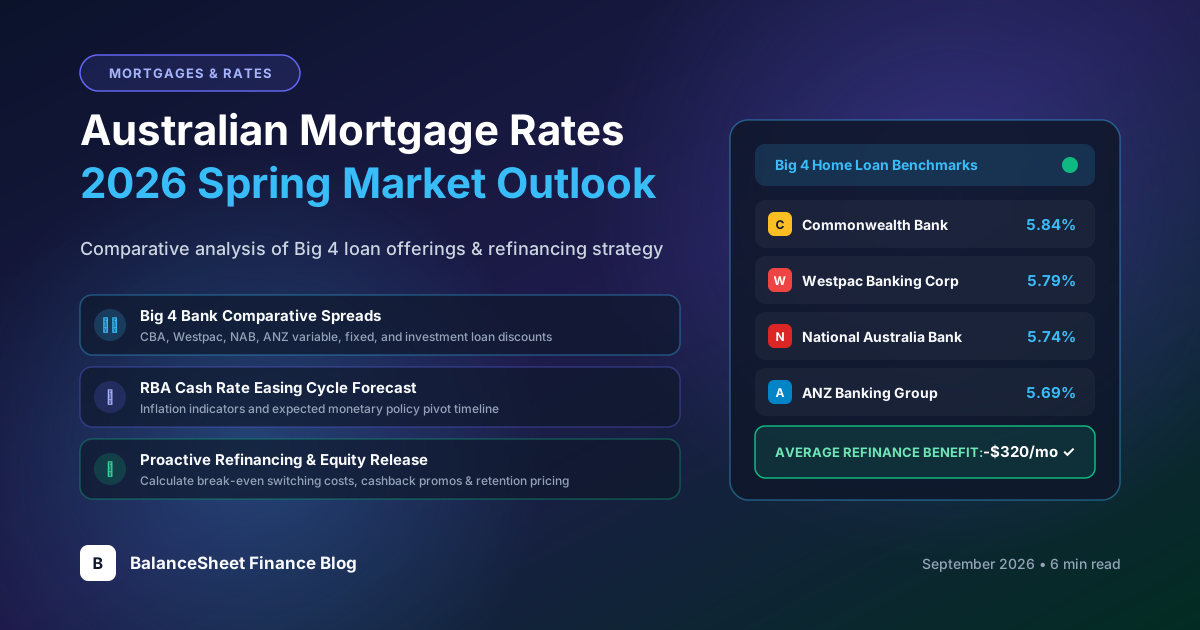
As Australia navigates the evolving macroeconomic climate of late 2026, residential property investors and homeowners face crucial decisions regarding their mortgage portfolios. With the Reserve Bank of Australia (RBA) cash rate steadying and competitive discounting emerging across the Big 4 banks (Commonwealth Bank, Westpac, NAB, and ANZ), having transparent, real-time rate intelligence is vital.
All comparison rates and standard variable figures in this analysis reflect verified lending benchmarks published under the Australian Open Banking and Consumer Data Right (CDR) regime.
#1. Current Lending Landscape: Big 4 Comparison
The gap between standard variable loan products and fixed-term offerings has narrowed substantially over recent quarters. Lenders are actively competing for high-credit owner-occupied and investor portfolios with loan-to-value ratios (LVR) below 70%.
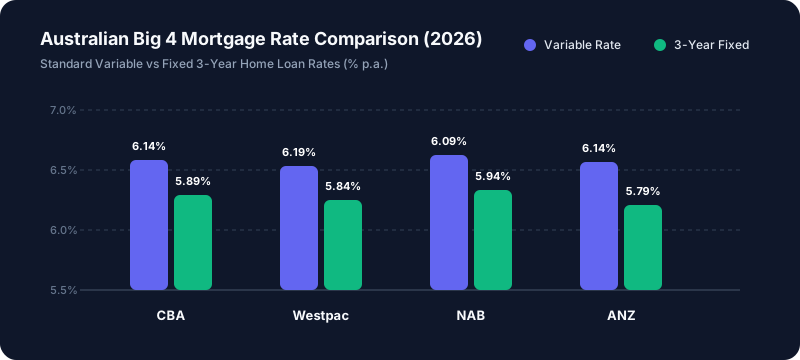
Below is a snapshot comparison of standard variable vs. 3-year fixed rates across Australia's major banking institutions:
| Bank | Standard Variable Rate | 3-Year Fixed Rate | Comparison Rate | Typical Turnaround |
|---|---|---|---|---|
| Commonwealth Bank (CBA) | 6.14% | 5.89% | 6.16% | 3-5 Business Days |
| Westpac Banking Corp | 6.19% | 5.84% | 6.22% | 2-4 Business Days |
| National Australia Bank (NAB) | 6.09% | 5.94% | 6.12% | 3-5 Business Days |
| ANZ Banking Group | 6.14% | 5.79% | 6.18% | 4-6 Business Days |
#2. Fixed vs. Variable: Which Strategy Wins in 2026?
When evaluating whether to lock in a fixed rate or remain on variable terms, property investors should consider three fundamental pillars:
#A. Cash Flow Certainty
Fixed rates provide budget stability, making debt servicing predictable across multi-property balance sheets. If your portfolio holds multiple investment properties where sudden rate spikes would pressure net yield, fixing a portion of debt (e.g. 50/50 split) shields cash reserves.
#B. Offset Account Flexibility
Most variable products in Australia include 100% offset facilities. Holding transaction liquidity against your principal balance directly reduces daily interest calculations, creating significant compounding tax and interest savings over time.
#C. Refinancing & Break Costs
Fixed rate contracts enforce substantial break costs if liquidated prematurely (e.g., during property divestment or early restructuring).
Proactive Negotiation Tip: If your existing variable home loan has been active for more than 18 months without review, call your bank's retention desk or request a pricing request. Major lenders routinely issue discretionary rate discounts between 0.30% and 0.55% to retain loyal customers.
#3. How BalanceSheet Simplifies Multi-Property Debt Tracking
Tracking repayments, interest deductions, and annual tax statements across multiple loan accounts can quickly become fragmented. BalanceSheet connects directly with your personal Google Drive storage to:
- Auto-categorize Mortgage Statements: Automatically extract interest paid, principal balance, and fees from PDF statements.
- Organize Folders by Financial Year: Structure tax-ready documentation into FY folders without storing your financial records in third-party databases.
- Live Interest Rate Monitoring: Compare your ongoing loan interest against prevailing Australian bank rates directly within the app.
#4. Summary & Action Steps for Investors
To maximize portfolio performance in the remainder of 2026:
- Check your current interest rate against the BalanceSheet Bank Rates Portal.
- Review whether an offset restructuring or split-loan setup aligns with your current cash reserves.
- Organize all property purchase documents and tax statements securely inside your private cloud storage.